Brazil at the 2026 FIFA World Cup: The Weight of Five Stars
No nation carries a heavier burden into every World Cup than Brazil. Five titles. The most iconic football shirt on the planet. A nation of 215 million people who treat football not as a sport but as a birthright. And yet, since that golden summer in Yokohama in 2002, the Seleção have tortured their own supporters with near-misses, tactical disasters, and one catastrophic 7-1 humiliation on home soil that still haunts the country like a national trauma.
Now it’s 2026. The tournament is spread across the United States, Canada, and Mexico. Brazil land in Group F, and the expectation machine is cranking up again. Under Dorival Junior, with a generational attacking talent in Vinicius Junior, a maturing partner in Rodrygo, and the raw, electric promise of teenage sensation Endrick, there are genuine reasons to believe this time might be different.
But there are also very familiar reasons to be nervous. Let’s get into it.
Historical World Cup Record: Greatness Haunted by Modern Failure
The record books are dazzling on the surface. Five World Cup titles (1958, 1962, 1970, 1994, 2002). The only nation to have appeared in every single tournament. Top scorer records, legendary generations, Pelé, Ronaldo, Ronaldinho — Brazil have produced more football mythology than any other country in history.
But strip away the nostalgia and the modern era tells a brutal story. Since 2002, Brazil have reached just one final — and that was 1994’s penalty shootout grind, which felt more like a survival than a celebration. The 2006 campaign ended tamely against France. 2010 saw a quarter-final exit to the Netherlands. 2014 was the Mineirazo — the 7-1 obliteration by Germany that no amount of time will fully heal. In 2018, Neymar’s theatrical rolling around on the pitch became the defining image before Belgium knocked them out in the quarters. In 2022, Neymar’s swansong ended in a penalty shootout heartbreak against Croatia.
The pattern is uncomfortable: Brazil dominate the group stage, build momentum, play flashy football in the knockouts — and then crack when the pressure reaches its absolute peak. Whether it’s tactical rigidity, over-reliance on one player, or something more psychological, the Seleção have consistently underperformed against the expectation of a nation demanding a sixth star.
2026 is the next chapter. And Dorival Junior knows the history better than anyone.
The Manager: Dorival Junior and the Quest for a New Identity
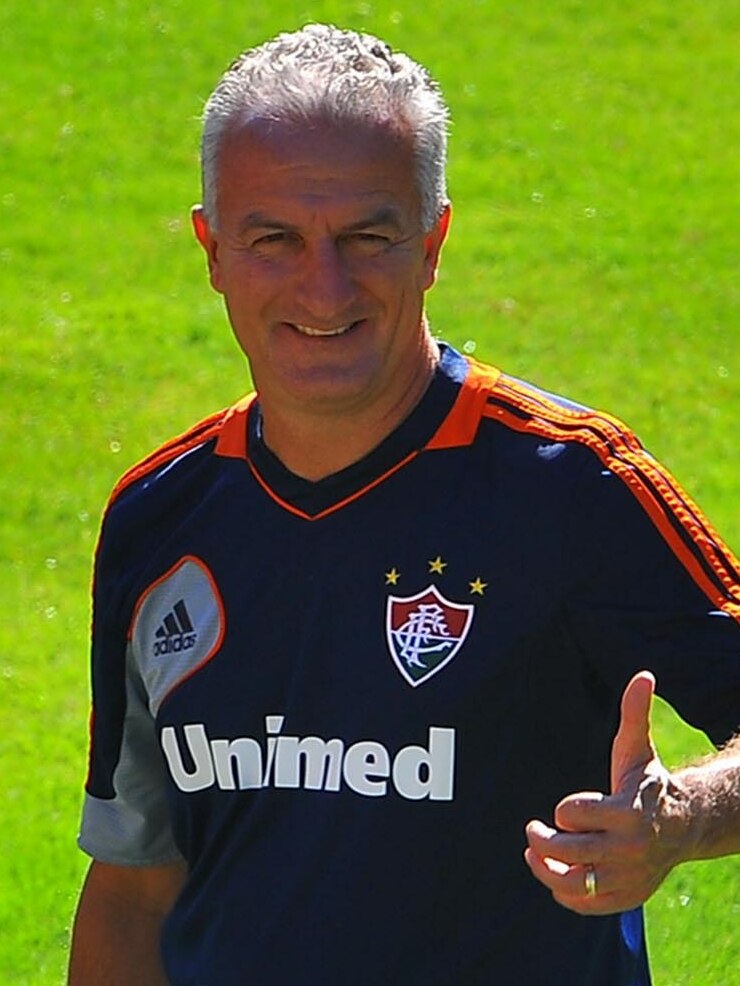
Dorival Junior is not a glamour appointment. He’s not a Guardiola or a Ancelotti — names that generate global headlines on announcement day. What he is, however, is a pragmatic, experienced Brazilian football brain who took over the Seleção in January 2024 after the chaos of the Tite hangover and the brief, unsuccessful Fernando Diniz experiment.
Tactical Style
Dorival typically operates in a 4-2-3-1 or 4-3-3 shape, emphasising defensive compactness and quick transitions rather than the elaborate possession-based Jogo Bonito romanticism that Brazilian fans demand but modern football rarely rewards. His pressing triggers are well-organised, and he builds teams that are hard to beat before worrying about being brilliant to watch.
His biggest achievement heading into 2026? He appears to have found a way to make Vinicius Junior function within a team structure rather than as a one-man show. The integration of Rodrygo and Endrick into a fluid, interchangeable front three gives Brazil an attacking identity that doesn’t depend entirely on Vini dragging the team forward through individual brilliance.
The weakness in Dorival’s approach is a familiar Brazilian one: in-game tactical adjustments. When games go wrong and opponents go ahead, Brazil under Dorival can look disorganised and reactive. The substitution patterns aren’t always convincing. Against top-tier opposition, that could cost them dearly in the knockout rounds.
But credit where it’s due — he stabilised a ship that was genuinely sinking. Brazil’s Copa América 2024 campaign under him showed flashes of coherence, and the qualifying campaign, while occasionally uncomfortable, produced results. He’s not exciting. He might be exactly what Brazil need.
Key Players: The Men Who Will Define Brazil’s Tournament
Vinicius Junior — The Heartbeat
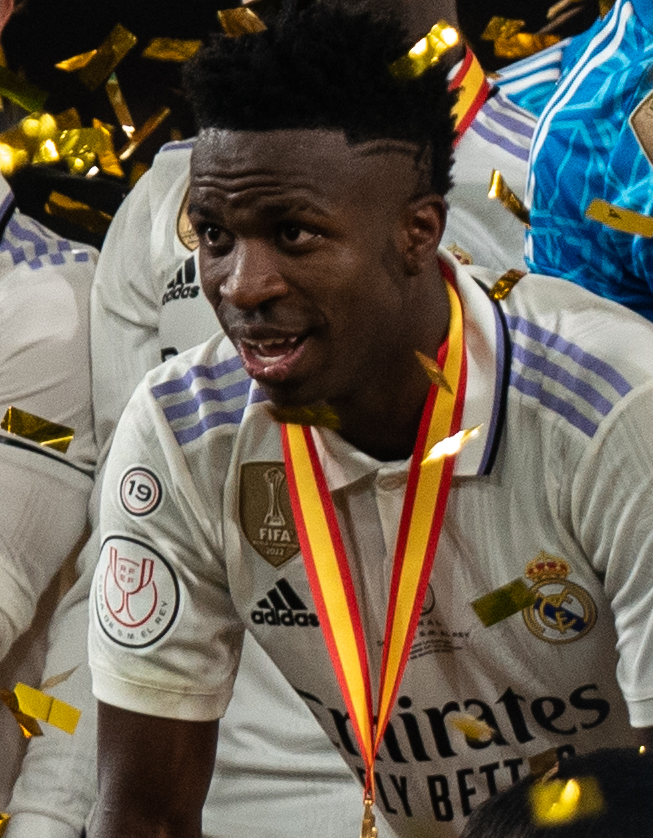
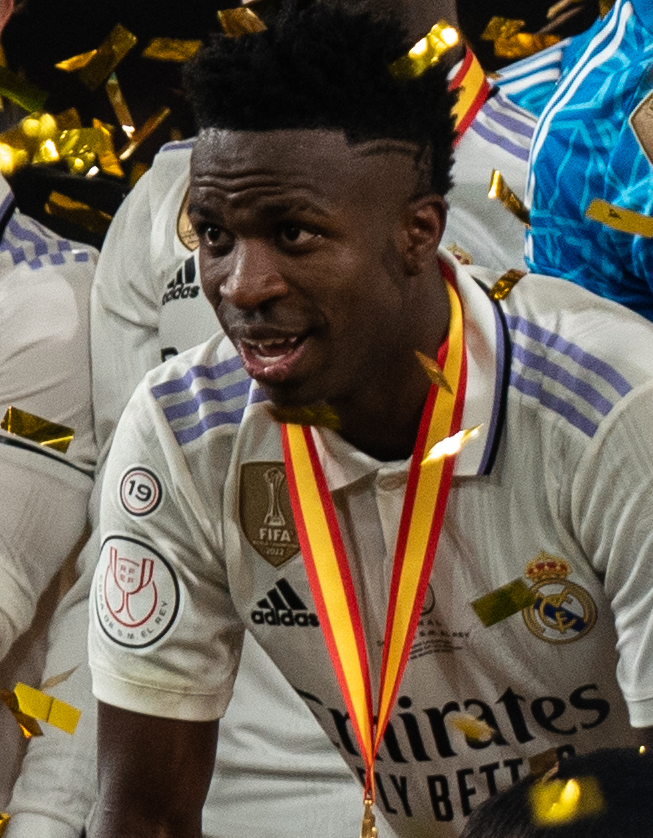
There is no version of Brazil winning the 2026 World Cup without Vinicius Junior performing at his absolute peak. He is the undisputed best player in this squad and, on current form, one of the two or three best players on the planet. At Real Madrid, he has evolved from a raw, electric dribbler into a complete attacking weapon — finishing, pressing, creating, leading. He is 25 years old and entering the prime years of his career at precisely the right tournament.
Strengths: His pace is terrifying in transition. His dribbling in tight spaces is as good as anyone in world football. He scores big goals in big moments — Champions League finals, Clásicos, pressure matches. He is also increasingly vocal as a leader, which Brazil desperately need.
Weaknesses: The temperament question has never fully gone away. Vini can be wound up, can lose focus, and has drawn red cards and suspensions at critical moments in his career. At a World Cup, where cynical defenders will target him specifically, his ability to stay composed under provocation is crucial. If he gets suspended in the knockout rounds, Brazil’s tournament changes shape dramatically.
Form: Exceptional. His club form heading into 2026 is as good as it has ever been, and he arrives fit and motivated. On the biggest stage, he has shown he delivers. The pressure of carrying Brazil won’t be new to him.
Rodrygo — The Underrated Engine
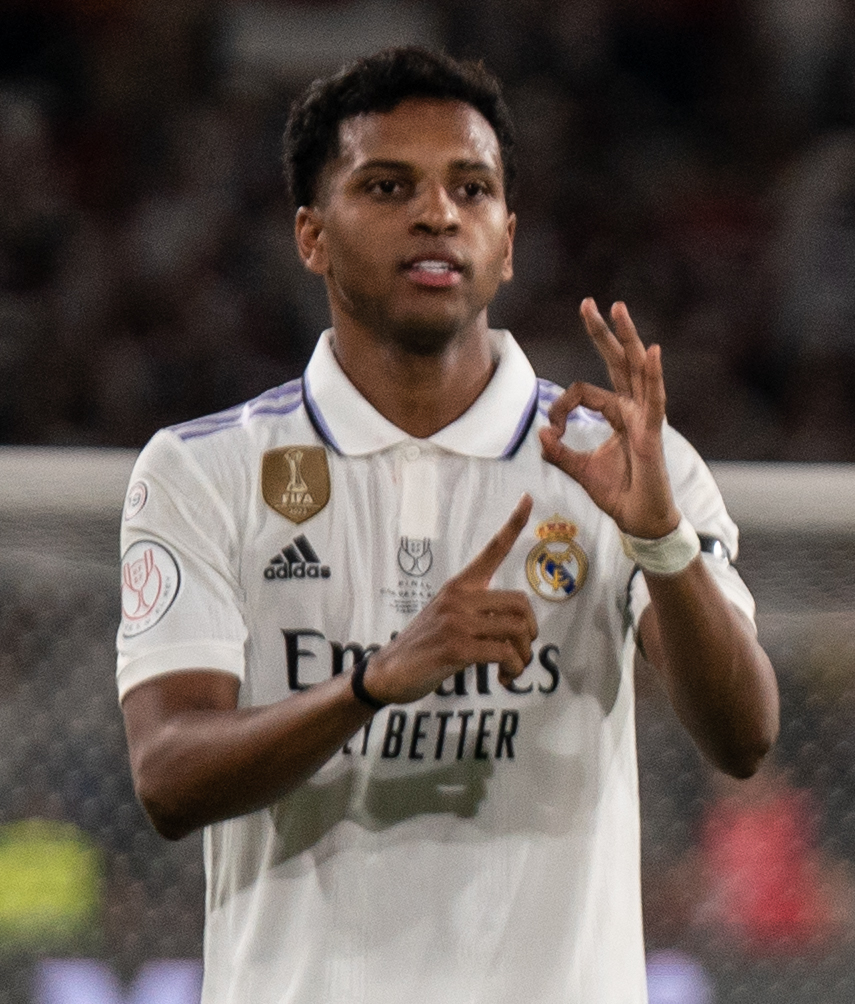
Rodrygo is the player who gets consistently underappreciated because he plays alongside Vinicius. Domestically and on the international stage, he is often the glue that holds the attack together — the intelligent runner, the player who makes the right pass rather than the spectacular one, the forward who presses relentlessly and creates space for others.
Strengths: His football intelligence is elite. He reads the game exceptionally well for a player still in his mid-twenties, and his combination play with Vinicius at Real Madrid is one of the most dangerous partnerships in club football. He can play centrally or wide, and that versatility gives Dorival tactical flexibility in big matches.
Weaknesses: Rodrygo is not a consistent goal scorer at international level. His conversion rate for Brazil has been underwhelming relative to the chances he generates. When Brazil need a goal in a tight knockout game and Vini is neutralised, Rodrygo becoming a genuine goal threat could be the difference. It remains to be seen whether he can step up in those moments.
Form: Solid. Not his most explosive season individually, but he contributes consistently at club level, and his partnership with Vini continues to grow. Don’t sleep on him as a tournament dark horse performer.
Endrick — The Wild Card at 19
Here is where Brazil’s 2026 campaign gets genuinely fascinating. Endrick Felipe, still only 19 years old during the tournament, is already at Real Madrid and already turning heads in La Liga. But it is his international performances that have been truly staggering — this is a teenager who has scored in enormous games, who plays without fear, who has a finishing instinct that looks genetically installed rather than coached.
Strengths: Pure goal-scoring instinct inside the box. Endrick has a unique ability to create shots out of almost nothing, scoring goals that veteran strikers twice his age wouldn’t attempt. His physical presence for someone his size is surprising, and his confidence borders on arrogance in the best possible way.
Weaknesses: Experience. He is 19. There will be moments in this tournament — probably against a compact, physical European defence in the knockout rounds — where that inexperience shows. His hold-up play and link work at the highest level is still developing, and if Dorival leans on him to lead the line for extended periods, he may be exposed.
Form: Increasingly impressive at Real Madrid as he adapts to European football. His trajectory is pointing sharply upward, and there is a legitimate conversation happening about whether he should start ahead of more experienced options. At this tournament, he could either be Brazil’s supersub hero or their next great tournament revelation. Either way, watch him closely.
Strengths vs Weaknesses: The Honest Assessment
Strengths
- Attacking depth is world-class. No team in the tournament has three forwards of this quality, age, and peak-career timing simultaneously. The Vinicius-Rodrygo-Endrick trident is legitimately frightening.
- Experience in pressure moments. This squad has been through Copa América battles, CONMEBOL qualifying wars, and Champions League finals. They are not naive.
- Tactical flexibility. Dorival can shift shapes, and Brazil have multiple ways to hurt teams — pace in behind, technical play in tight spaces, set-pieces.
Weaknesses
- Midfield questions remain. The midfield has been Brazil’s Achilles heel for over a decade. Without a dominant, controlling presence in the engine room, the attack can become isolated against organised opposition.
- Defensive vulnerability on the counter. Brazil’s high defensive line and aggressive full-back play leaves space in behind. Against European pace on the counter — think France, England, Germany — that is a genuine threat.
- The Neymar shadow. Neymar’s absence creates a leadership vacuum in moments of adversity. Who makes the decisive play when the game is on the line and Vini is double-marked? That question isn’t fully answered.
Round of 16 Chances and Key Variables
Brazil should qualify from Group F without major drama. Their attacking quality alone should be enough to handle group-stage opposition, and Dorival’s defensive organisation should prevent any genuinely embarrassing results. Expect them to top the group and enter the knockout rounds with momentum.
The Round of 16 is where Brazil’s tournament history — and this squad’s character — gets tested. Assuming a second or third-place finish from a competitive group on the other side of the bracket, Brazil could face a European side with pace and tactical discipline. That is precisely the kind of match where the midfield question and defensive vulnerability become critical.
Key variables:
- Vinicius staying fit and suspended-free. Non-negotiable. If he misses a knockout game, the entire dynamic shifts.
- The midfield unit’s performance. If Brazil get a commanding performance from their centre midfield — controlling tempo, protecting the defence — they can beat anyone. If the midfield is passive, they’re vulnerable to exactly the kind of counter-pressing that knocked them out in recent tournaments.
- Endrick’s role. If Dorival finds the right moments to deploy him — either as a starter or a game-changing substitute — Brazil have a weapon no other team can replicate.
Realistically? Brazil should reach the quarter-finals at minimum. A semi-final run is entirely achievable. Whether they can finally break the 24-year cycle and lift a sixth star depends on whether the tournament bracket gives them a manageable path and whether Vinicius Junior finally gets to experience what Ronaldo did in Yokohama.
Final Verdict: Contenders with Familiar Ghosts
Brazil in 2026 are a genuinely exciting team rather than merely a marketable one. The attacking trio is real. The manager is competent. The hunger in the squad — particularly from a generation that has watched Brazil underperform their entire lives — feels authentic.
But football tournaments are not won by potential. They’re won by execution under maximum pressure, by defenders who hold their line in the 88th minute, by midfielders who win second balls when legs are gone. Brazil have to prove they can handle those moments in a way they simply haven’t since 2002.
The sixth star is possible. It is not inevitable. And that, honestly, is what makes this the most watchable version of the Seleção in a very long time.