The Weight of the Crown
There’s a particular kind of pressure that only defending champions understand. It’s not the pressure of expectation — it’s the pressure of legacy. Argentina arrived in Qatar 2022 carrying 36 years of hurt and left with the world at their feet. Now, four years later, they walk into a 48-team tournament on North American soil with a target on their backs the size of the Pampas.
The question isn’t whether Argentina can compete at the 2026 FIFA World Cup. Of course they can. The question is whether this aging, still-talented, emotionally complex squad has one more miracle run left in the tank — and whether a 38-year-old Lionel Messi playing MLS football can carry the weight of a nation one final time.
Let’s dig in.
Argentina’s World Cup History: A Story of Glory, Heartbreak, and Qatar
Three-time World Cup winners. Runners-up on three occasions. Argentina’s record on the global stage is genuinely elite, and their tournament pedigree speaks for itself — 1978, 1986, and 2022 are etched into football’s DNA forever.
But the road wasn’t always paved in blue and white confetti. Between 1990 and 2018, Argentina reached three finals and lost them all. The Maradona-less era was a parade of close calls and crushing disappointments. The 2014 final in Rio, lost to Germany in extra time, remains one of the most brutal near-misses in World Cup history. The 2018 group stage was a humiliation — knocked around by Iceland, embarrassed by Croatia, and saved only by a Messi masterpiece against Nigeria that came far too late.
Then came Qatar. And everything changed.
Scaloni’s Argentina absorbed an opening shock — a 2-1 defeat to Saudi Arabia that had the world writing their obituary — and responded with a run that felt genuinely destined. Seven more matches. Seven more wins. A penalty shootout victory over France in a final that many argue is the greatest World Cup game ever played. Job done. Legacy sealed.
In 2026, Argentina enter Group C. Expectations? Nothing short of a title defence. Anything less will be painted as failure, regardless of how unfair that framing actually is.
Lionel Scaloni: The Quiet Architect

Here’s the thing about Lionel Scaloni that the football world still hasn’t fully reconciled with: nobody saw this coming. When he was handed the interim Argentina job in 2018 after Jorge Sampaoli’s Qatar implosion, the reaction from most corners of the sport was polite confusion. A largely untested coach with a modest playing career getting handed one of football’s most scrutinised jobs? It seemed like a placeholder move at best.
Four years and one World Cup trophy later, Scaloni deserves to be spoken about in the same breath as any elite international manager working today.
System and Identity
Scaloni’s tactical fingerprint is flexible without being formless. His preferred base is a 4-3-3 or 4-4-2 diamond, but he’s shown the tactical intelligence to shift into a back three when required — particularly when managing games in tournament football’s knockout rounds. What he’s built isn’t a system. It’s a culture.
The key pillars of his Argentina side: relentless pressing in transition, midfield compactness without sacrificing technical quality, and the freedom to improvise in the final third around Messi. Everything the team does defensively is designed to give Messi the ball in space. Everything they do offensively is designed to exploit the chaos that follows when he gets it.
Scaloni is also an excellent man-manager — ruthless when necessary, loyal when it counts. The consistency of selection and the clear trust he shows in his core group has created a group unity that’s been visibly different from previous Argentina setups. These players run through walls for this manager. That matters enormously in a 48-team tournament where group-stage fatigue is a genuine strategic concern.
Key Players: The Men Who Will Define Argentina’s Campaign
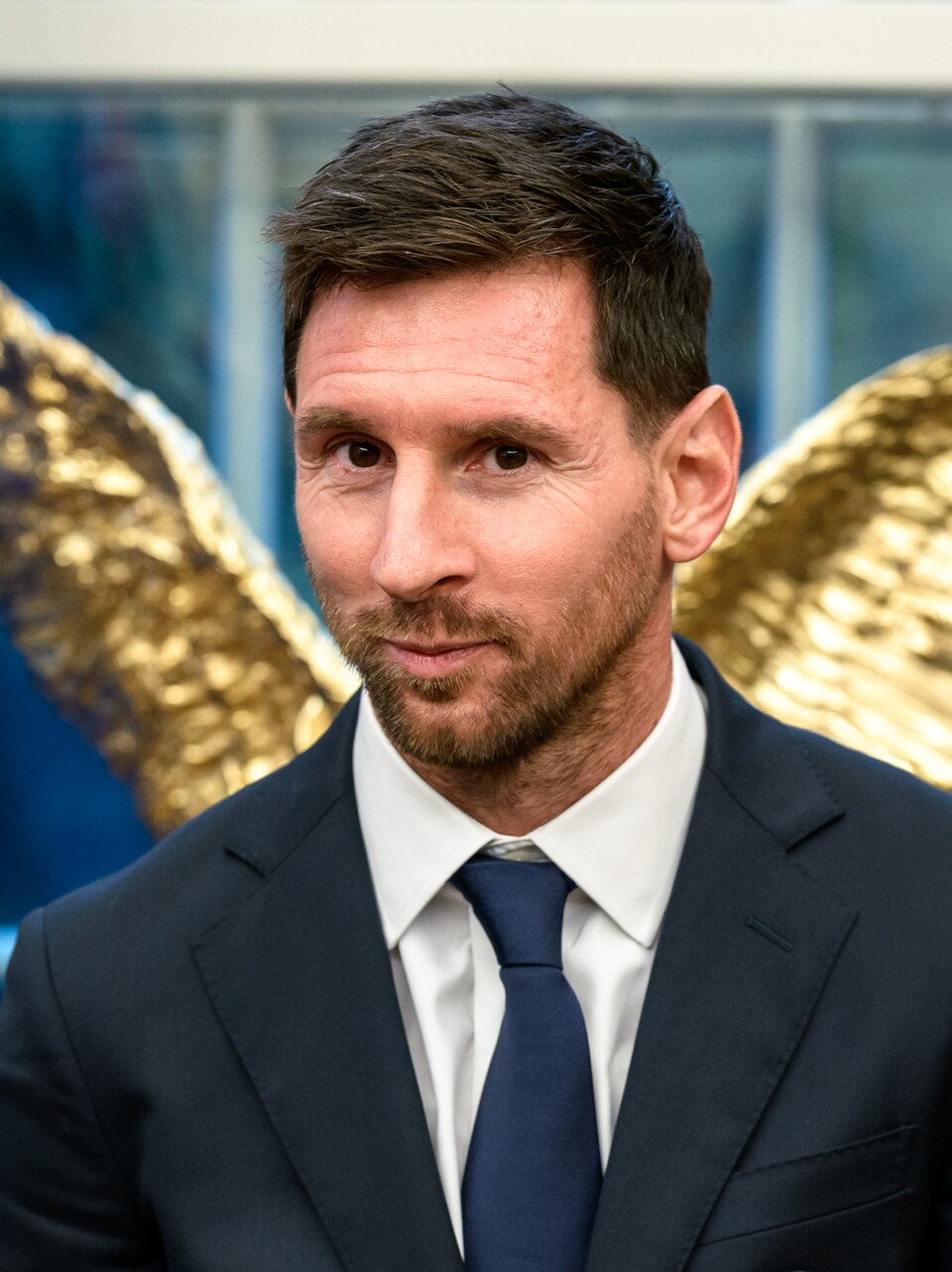
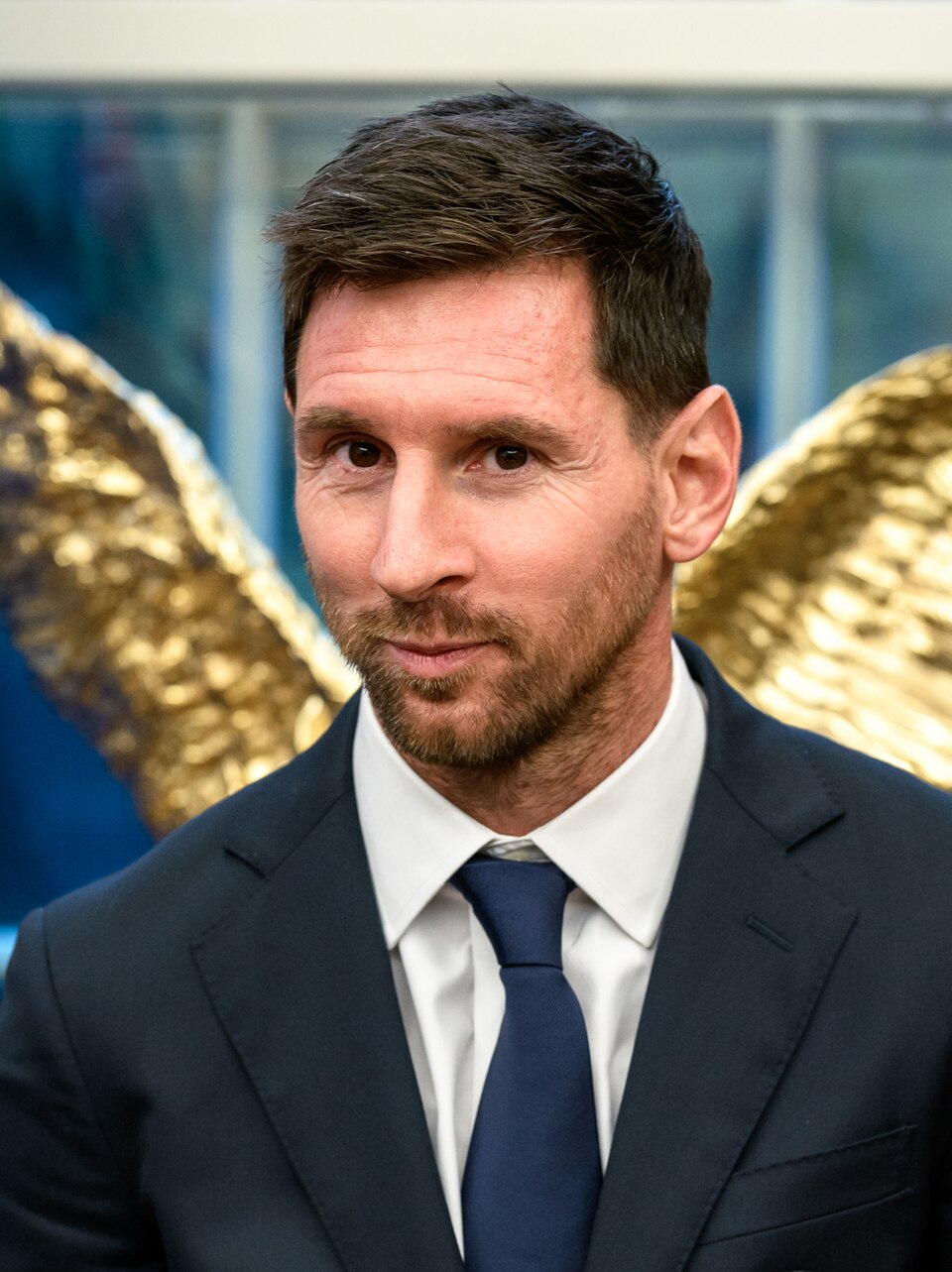
Lionel Messi — The Final Chapter
Let’s be honest about what we’re watching here. At 38, Lionel Messi is not the same player who terrorised Ligue 1 defences at Paris Saint-Germain or dismantled opposition at Barcelona for two decades. The explosive dribbling runs have become more selective. The pressing intensity has reduced. The minutes management at Inter Miami is now a weekly headline.
But none of that actually matters, because Messi has evolved into something arguably more dangerous for a tournament format: a player who can decide matches in moments. His passing range, vision, and set-piece delivery remain world-class. His ability to read space and arrive in it at precisely the right moment — what Guardiola once called his “timing of arrival” — is frankly still unmatched by anyone on the planet. In a World Cup knockout game that’s 0-0 with 20 minutes left, you want Messi on the pitch. Full stop.
Strengths: Vision, dead-ball delivery, positional intelligence, big-game mentality bordering on the supernatural.
Weaknesses: Physical decline is real; high-press opposition can limit his involvement; fitness over a compressed tournament schedule is a genuine risk.
Form: Inter Miami numbers remain strong in MLS, but the level gap is significant. His Argentina performances in recent friendlies have been measured rather than dominant.
This is almost certainly Messi’s final World Cup. The narrative writes itself. The danger is that Argentina get emotionally wrapped around that narrative rather than playing pragmatic tournament football.

Julián Álvarez — The Engine They Can’t Afford to Waste
If Messi is Argentina’s soul, then Julián Álvarez is increasingly their legs. And at 24 years old, the Atlético Madrid striker arrives in 2026 arguably at the peak of his physical powers, having spent the last two seasons becoming one of Europe’s most dynamic attacking forwards.
What makes Álvarez exceptional in an Argentina context is his total football mentality. He presses from the front with intensity that belies his slight frame, creates space through off-ball movement that forces opposition centre-backs into impossible decisions, and scores goals that range from the scruffy-but-vital to the genuinely spectacular. Remember his semi-final performance against Croatia in Qatar? Four goals in one tournament. A 22-year-old playing without fear on the biggest stage. That tournament made his reputation. Now he needs to own it.
Strengths: Work rate, pressing intensity, clever movement, composure under pressure, goal threat from multiple positions.
Weaknesses: Can struggle when isolated as a lone striker against deep defensive blocks; his best performances come with runners around him.
Form: Excellent at Atlético Madrid under Simeone — the disciplined tactical environment has sharpened rather than restricted him. He arrives in form and hungry.
Álvarez is the player who will keep this Argentina side functioning when Messi has an off night. And at a 48-team World Cup with potentially seven games, those off nights will come.
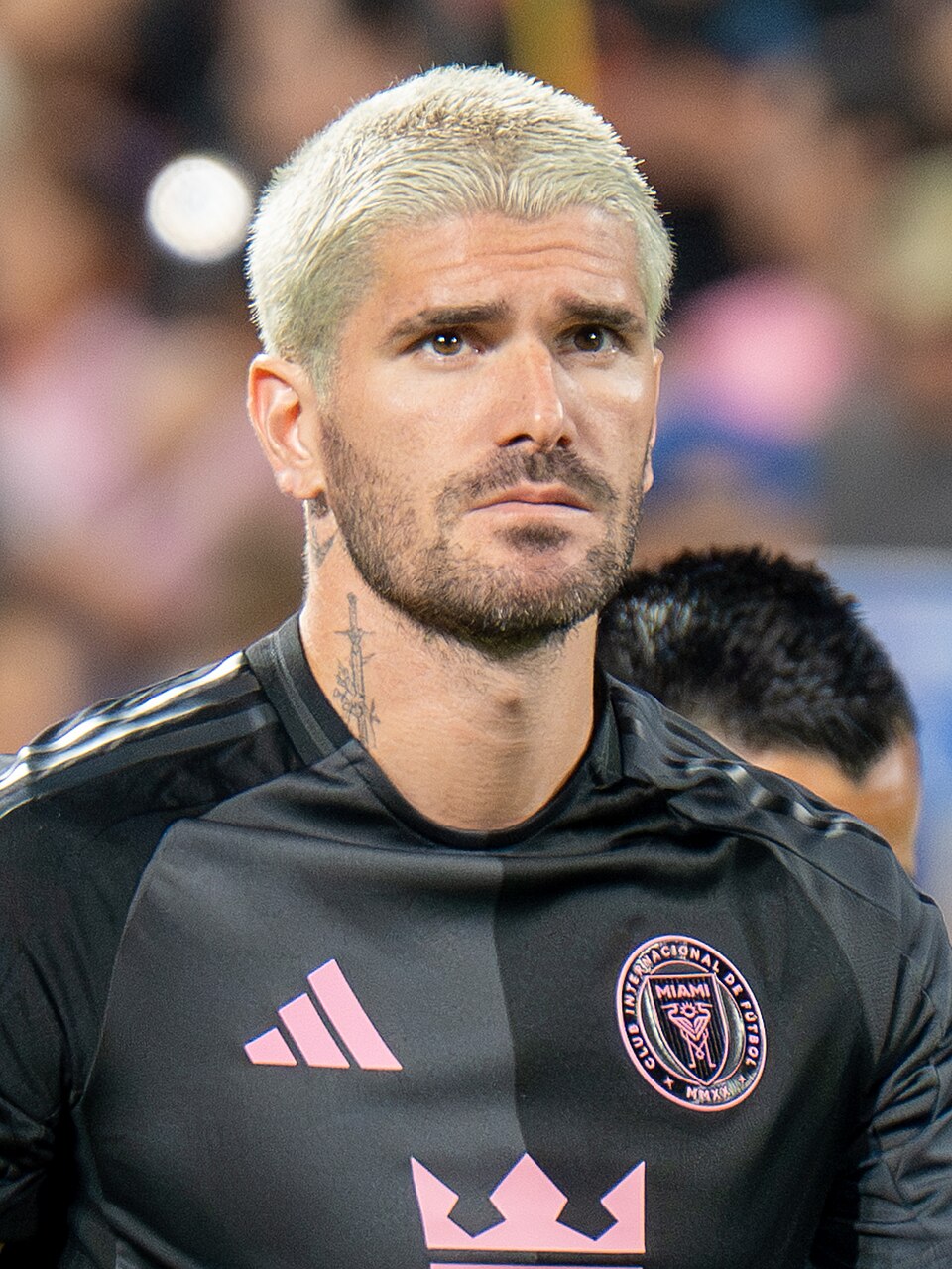
Rodrigo De Paul — The Glue Nobody Talks About Enough
Ask a casual football fan to name Argentina’s most important player and they’ll say Messi. Ask someone who’s watched every minute of Scaloni’s Argentina and they might quietly say De Paul.
The Atlético Madrid midfielder is the connective tissue of this entire setup. He covers ground at a relentless pace, wins the ball back in dangerous areas, and provides the midfield engine that gives Messi the freedom to drift, create, and torment. In Qatar, De Paul was in the form of his life — aggressive, creative, constantly involved. He’s the kind of player who makes a team better without regularly appearing in highlight reels.
Strengths: Pressing intensity, ball recovery, carrying ability from deep, and his understanding with Messi is almost telepathic at this point.
Weaknesses: His form can be inconsistent at club level, and when he’s off the pace, Argentina’s midfield loses its cohesion more than the scoreline might suggest. He’s also accumulated bookings at critical moments before.
Form: Mixed under Simeone in recent months. This is a key watch. A De Paul operating at 80% is still a very good player. A De Paul operating at 100% is the beating heart of a World Cup-winning team.
Strengths vs Weaknesses: The Honest Breakdown
What Argentina Do Well
Tournament mentality is real, and Argentina have it in abundance. This squad knows how to win ugly, knows how to absorb pressure, and has demonstrated the ability to come from behind in high-stakes matches. The defensive structure under Scaloni is organised without being passive, and the transition from defence to attack — particularly when Messi drops deep to receive — is among the best in international football.
Set pieces are another genuine weapon. With Messi still delivering corners and free kicks at elite level, every dead-ball situation is a genuine scoring opportunity. Their squad depth in wide positions and midfield has also improved significantly since 2022.
Where They’re Vulnerable
The elephant in the room is age and physical decline at the top end. Messi at 38. De Paul turning 30 during the tournament. The squad’s ability to sustain high-intensity pressing football across a potential seven games in the new expanded format is a legitimate question, particularly against well-organised European sides who will sit deep, absorb pressure, and hit on the counter.
Argentina can also be surprisingly passive when a game is level late on. Their instinct to manage rather than attack can occasionally work against them. And goalkeeping? Emiliano Martínez is world-class, but a goalkeeper-dependent side is always one costly error away from elimination.
Round of 16 Chances and Key Variables
Argentina progressing from Group C is the closest thing to a certainty this tournament offers. The real question begins in the Round of 16.
The key variables are straightforward but significant. Messi’s fitness across three group games will determine how sharp he arrives in the knockout rounds — Scaloni will almost certainly rotate to protect him. De Paul’s form matters enormously to midfield control. And the draw will be everything; Argentina matching up against a high-press European side in the last 16 — think Germany, England, or a resurgent France — is a completely different proposition than facing an African or CONCACAF side.
Realistically, Argentina should reach the quarter-finals with relative comfort. A semi-final appearance feels like the floor of reasonable expectation. Back-to-back titles? Possible. Absolutely possible. But the expanded format, Messi’s age, and the sheer improvement in global competition make it harder than 2022, not easier.
They are not the favourites. They are, however, still dangerous in ways that only champions understand.
Final Verdict
Argentina in 2026 is the story of a team trying to do what almost no side in the modern era has managed: successfully defend a World Cup title. It’s the story of Lionel Messi playing his final act on the sport’s biggest stage. And it’s the story of whether Scaloni’s quietly brilliant construction can survive contact with a world that now knows exactly what Argentina are and how to stop them.
My prediction? Quarter-finals minimum. Semi-finals likely. And if Messi hits form at the right moment — which he has a habit of doing — don’t rule out anything.
This is still Argentina. This is still Messi. That always means something.