
England at the 2026 FIFA World Cup: Can Tuchel Finally End 60 Years of Hurt?
Sixty years. One solitary World Cup triumph. A nation that invented the game, perpetually haunted by the ghost of 1966 and a revolving door of near-misses, heartbreaks, and penalty shootout nightmares. England arrive at the 2026 FIFA World Cup — spread across the United States, Canada, and Mexico — carrying the usual toxic cocktail of genuine expectation and deep-seated dread. But this time, something feels different. Thomas Tuchel is in the dugout, the squad has genuine world-class quality, and the Group B draw has been kind enough that there are no excuses left to hide behind. So let’s cut through the noise and figure out exactly what England are working with.
Historical World Cup Record: The Weight of Expectation
England’s World Cup history is a masterclass in how to traumatise an entire nation on a recurring basis. The 1966 home triumph remains the sole moment of glory — a golden memory now worn so threadbare from overuse it’s practically translucent. Since then? Maradona’s Hand of God in 1986. Gascoigne’s tears in 1990. Beckham’s red card in 1998. The penalty disasters that came with clockwork regularity. Then, a brief resurrection of hope: Gareth Southgate dragged this team to a World Cup semi-final in 2018 and a European Championship final in 2021, before Euro 2024 reminded everyone that tactical caution has its ceiling.
The 2022 World Cup in Qatar ended in a quarter-final defeat to France — a brutal, somewhat unlucky exit, but an exit nonetheless. England are consistently good enough to matter and consistently flawed enough to fall short at the business end. The question for 2026 isn’t whether they can qualify from the group. It’s whether they’ve actually fixed the structural problems that keep costing them in the knockout rounds.
Thomas Tuchel: The Manager Who Changed the Culture

Appointing Thomas Tuchel as England manager was one of the most eyebrow-raising FA decisions in recent memory — and coming from the organisation that once hired Steve McClaren, that’s saying something. A German coach, parachuted in to end English football’s longest-running tragedy? On paper, it sounds like the setup to a dark comedy. In practice, it might just be the smartest thing the FA has done in decades.
Tactical Identity
Tuchel is a high-press, positionally fluid tactician who refuses to let talent sit idle in rigid formations. His preferred structure oscillates between a 4-2-3-1 and a 3-4-2-1, depending on the opponent, and he’s shown throughout his career — at Dortmund, PSG, Chelsea, and Bayern — that he can adapt without losing his core principles. Those principles are straightforward but demanding: press aggressively, play out from the back with purpose, and use width to stretch defences before cutting inside with technical players.
What Tuchel brings that Southgate never quite could is the willingness to be proactive. Where Southgate organised England to be hard to beat, Tuchel organises them to be hard to handle. The shift in mentality has been palpable. England under Tuchel look like a team that wants the ball back immediately, that sees defensive transitions as urgent rather than passive. It’s more demanding physically, but it suits this generation of players far better than parking behind a mid-block and hoping for moments of individual brilliance.
His man-management reputation is equally impressive. Tuchel has handled egos at the highest level — Neymar, Lewandowski, Hazard — and the England dressing room, which has had its share of cliques and quiet tensions, needs exactly that kind of authoritative but emotionally intelligent leadership. Early signs suggest the players have bought in.
Key Players: The Men Who Have to Deliver
Jude Bellingham

Let’s be direct: Jude Bellingham is the most important player in this England squad. Not Kane, not Foden — Bellingham. The Real Madrid midfielder has matured into one of the three or four best players on the planet, and at just 22 years old heading into the tournament, he represents England’s greatest asset and their greatest responsibility in equal measure.
Strengths: The complete modern midfielder. Bellingham presses relentlessly, wins the ball back in dangerous areas, carries it forward at pace, and delivers in the final third with a frequency that most strikers would envy. His late runs into the box — a trademark that lit up his debut Real Madrid season — give England an almost untrackable threat. He reads the game at a level that makes him look ten years older than he is. Technically, he’s close to faultless.
Weaknesses: Bellingham’s aggression occasionally tips into recklessness. He’s picked up yellow cards at crucial moments in his club career that suggest his competitive fire isn’t always perfectly calibrated. There’s also a question about how much England’s system can afford to lean on him — when Bellingham has a quiet game, the entire team can look pedestrian. That over-reliance is a structural vulnerability.
Form: Outstanding. After a slight dip mid-season following his injury-disrupted 2024-25 campaign, Bellingham has returned to peak form at club level and looked electric in England’s qualifying performances. If he’s fit and firing, England are a genuinely dangerous team. If he’s carrying anything, their ceiling drops alarmingly.
Harry Kane
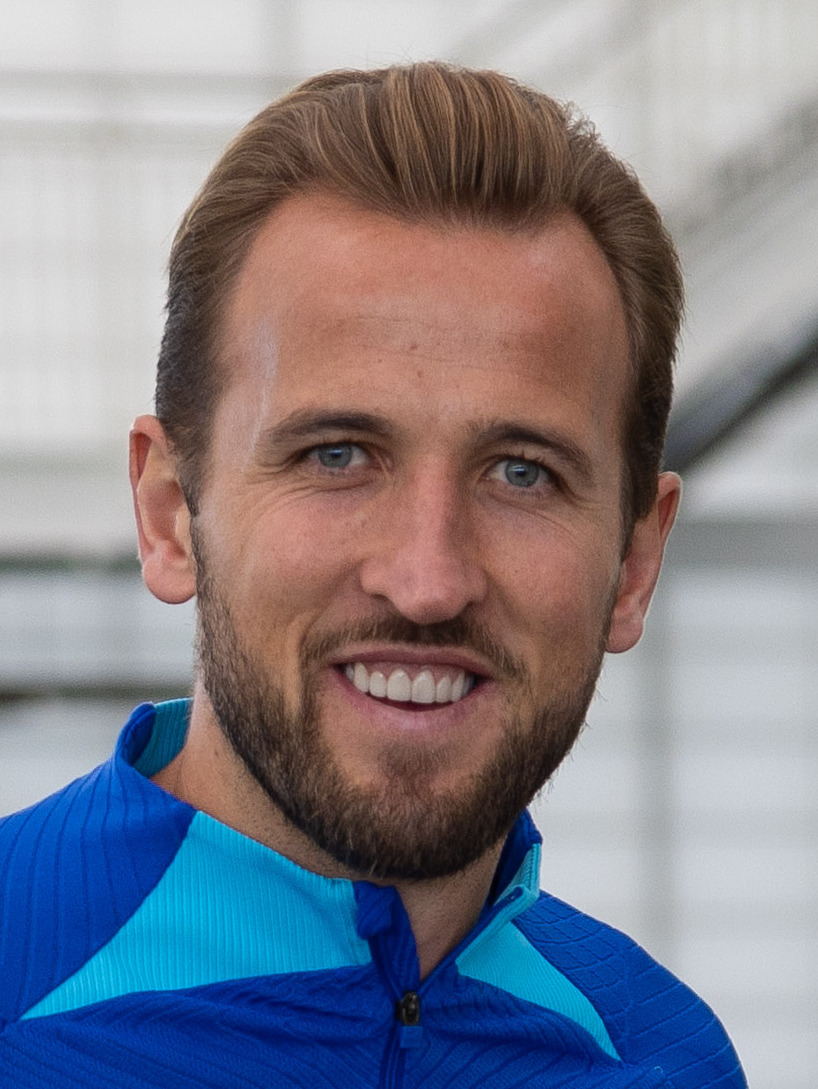
Harry Kane remains the most decorated striker in England’s history, and his move to Bayern Munich gave him the Bundesliga title he so desperately craved after years of Spurs heartbreak. Now 32 at tournament time, Kane is no longer the player who could run at defenders — but he arguably never needed to be. He’s a penalty box genius, a creator, and one of the most reliable finishers alive when the moment is biggest.
Strengths: The link-up play, the movement off the ball, the ice-cold finishing — all still very much present. Kane’s ability to drop deep and bring midfielders into play makes him uniquely useful in Tuchel’s system. He’s also a penalty machine, which matters enormously when England’s knockout history is quite literally written in missed spot-kicks. Kane doesn’t miss. Kane scores from twelve yards. File that away.
Weaknesses: Age is the elephant in the room. Kane’s mobility has declined, and against high defensive lines with aggressive pressing, he can be isolated. His hold-up play is world-class but he’s no longer the player who can manufacture a goal from nothing through sheer athletic will. He needs service. If England’s midfield is disrupted, Kane can disappear for long spells.
Form: Consistent but not spectacular by his own extraordinary standards. Has been scoring regularly for Bayern, but the very best Kane — the one who terrorised Champions League defences — may have peaked. What remains is still significantly better than most centre-forwards at this tournament. England will take it.
Phil Foden

Phil Foden is perhaps the most frustrating talent in English football — and that’s not an insult. It’s a reflection of how extraordinary his ceiling is and how inconsistently he’s reached it on the international stage. For Manchester City, Foden has been a serial winner and a genuine match-winner. For England, he’s been… fine. Often good. Occasionally brilliant. Rarely the decisive figure the talent demands.
Strengths: Technical quality that is genuinely rare. Foden’s close control in tight spaces, his movement between the lines, and his ability to create from nothing make him unplayable on his best days. He’s a natural left-side attacker but can function centrally, giving Tuchel flexibility. When England need someone to unlock a deep defensive block — which happens regularly in tournament football — Foden is the most likely candidate to find the key.
Weaknesses: International anonymity is a real pattern with Foden. He’s not naturally a wide player, he doesn’t track back with Bellingham’s intensity, and there are questions about his consistency across 90 minutes in high-pressure knockout environments. He also needs the ball in specific areas to be truly effective — stifle his movement and he can go missing.
Form: Back to his electric best at club level after a difficult patch. If Tuchel can create a system where Foden gets the freedom he has at City — operating as a narrow ten or an inside forward — rather than being shunted out wide and told to track full-backs, England have a genuine match-winner on their hands.
Strengths vs Weaknesses: The Honest Assessment
Strengths
- Attacking quality at the top end — Bellingham, Kane, and Foden form a genuinely world-class attacking core that few nations can match.
- Tactical flexibility under Tuchel — unlike previous England setups, this team can adapt mid-game rather than stubbornly reverting to type.
- Mental resilience — the Southgate era, for all its limitations, built a squad that doesn’t capitulate. These players know how to survive in tournament environments.
- Goalkeeping depth — England have quality between the posts, which remains underrated as a tournament asset.
Weaknesses
- Defensive fragility — the full-back positions, in particular, remain a concern. England can be exposed on the counter by pacey wide attackers, and the centre-back pairing lacks the elite quality of the attacking line.
- Midfield balance — Bellingham’s attacking freedom leaves a gap defensively. Who sits and protects the back four consistently? Tuchel needs a dependable answer to that question.
- Over-reliance on three players — if Bellingham, Kane, or Foden are below their best simultaneously, England’s attacking output drops dramatically. The depth behind the top three is talented but unproven at this level.
- Penalty shootout mythology — yes, the record is better now. But the psychological weight of England’s history in shootouts is real and it doesn’t dissolve overnight.
Round of 16 Chances and Key Variables
Group B looks navigable. England should qualify — and to be frank, if they don’t, the inquest would be savage and entirely deserved. The Round of 16 is where it gets genuinely interesting, because that’s historically been England’s banana-skin zone as often as their comfortable step forward.
The key variables are straightforward. Bellingham’s fitness and form is variable one, two, and three. A fully fit, fully motivated Bellingham makes England a legitimate semi-final contender. Anything less and the wheels start to wobble. Tuchel’s tactical reading of knockout opponents is the second variable — he has a superb record in knockout football at club level, but international management operates differently, with less time on the training ground and less tactical familiarity to work with. Whether his club instincts translate will be fascinating to watch.
The third variable is the draw. A favourable path to the quarter-finals could see this England team build momentum in a way that changes the psychological landscape entirely. A brutal bracket — a potential clash with France, Brazil, or Spain before the last eight — and the old vulnerabilities could resurface under pressure.
Realistically? England make the quarter-finals comfortably. A semi-final run is genuinely within reach if the main men fire. A final appearance would be the country’s greatest achievement in six decades. And yes, English football fans, tournament football being what it is — you should dare to believe it’s possible. Just maybe don’t bet the house on it.
Final Verdict
England in 2026 are a more coherently managed, tactically sophisticated team than at any point since 1966. The talent is undeniable, the manager is elite, and the moment feels ripe. But this is still England — a nation with an extraordinary talent for finding new ways to break its own heart. Tuchel has done everything right so far. The players have responded. The system is built. Now the tournament just has to cooperate.
Prediction: Quarter-finals minimum, semi-finals possible. And if Bellingham decides to have the tournament of his life on North American soil? Don’t rule out the unthinkable. It’s 2026. Sixty years is a long time to wait. Maybe — just maybe — it’s finally coming home.