Spain at the 2026 FIFA World Cup: Can La Roja Reclaim Football’s Throne?
There’s a version of this article that writes itself — the one where you lazily call Spain “eternal contenders” and move on. But that framing doesn’t do justice to what Luis de la Fuente has built, nor to the genuine, electric possibility that La Roja could lift the trophy in North America this summer. Spain aren’t just contenders in the diplomatic sense. They’re a side with a generational talent already operating at a level that makes defenders look foolish, a midfield engine who won the Ballon d’Or, and a quarterback pulling strings from deep. This isn’t a nostalgia act. This is a legitimate threat.
Let’s cut through the noise and get into the details.
Historical World Cup Record: The Weight of 2010
Spain have one World Cup title to their name — South Africa 2010 — and it remains the defining moment of a golden generation that rewired how the world thinks about possession football. Vicente del Bosque’s side went through that tournament without conceding a single goal in open play during the knockout rounds. They were clinical, suffocating and absolutely dominant.
Before that? Decades of nearly. Quarter-finals in 1994, the heartbreak of penalty shootouts, the “it’s not our time” narrative repeated like a national curse. After 2010, the hangover was brutal. Brazil 2014 saw them crash out in the group stage — defending champions obliterated by the Netherlands 5-1 in their opening game. Russia 2018 brought a painful last-16 exit to the hosts on penalties. Qatar 2022 was arguably their most tactically interesting squad in years under Luis Enrique, but Morocco ended the adventure in the last 16 on spot-kicks. Again.
So yes, 2026 carries a particular psychological charge. Spain have been knocking on the door without being able to kick it down for sixteen years. The difference now? The players are younger, fresher, and arguably more gifted than any squad since that golden era. The pressure to deliver is real. But so is the talent to do it.
Luis de la Fuente: The Architect Behind the Revival
When De la Fuente took over from Luis Enrique after the Qatar exit, there was inevitable skepticism. He wasn’t a marquee appointment. He was a steady, methodical coach who had done excellent work with Spain’s youth setups — U-19, U-21 — but lacked the headline-grabbing charisma of his predecessor. That skepticism aged poorly.
De la Fuente guided Spain to the Euro 2024 title, playing some of the most fluid, exciting football the tournament had seen in years. That wasn’t a fluke. It was the product of a clear tactical identity implemented with intelligence and adaptability.

Tactical Identity
De la Fuente operates primarily in a 4-3-3 / 4-2-3-1 hybrid that morphs depending on the opposition. In possession, Spain are relentless. They press high when the ball is lost, recover shape within seconds, and then return to the methodical build-up that has defined Spanish football for two decades. But there’s something different here compared to the Tiki-Taka era: this Spain is direct when it needs to be.
De la Fuente is not afraid of the counter. With Yamal’s pace and Nico Williams’s explosive running (when fit), Spain can transition from a deep defensive block to an attacking threat in three passes. The manager also deserves credit for his in-game management — his substitutions at Euro 2024 were consistently well-timed, showing a tactical flexibility that Luis Enrique sometimes lacked.
Where he’s vulnerable is in high-pressure shootout scenarios (a historical Spanish curse) and against teams that press extremely high and disrupt their build-up rhythm. Morocco proved in Qatar that a well-organised low block can starve this Spain of space. De la Fuente hasn’t fully solved that puzzle yet.
Key Players: The Three Who Make Spain Tick
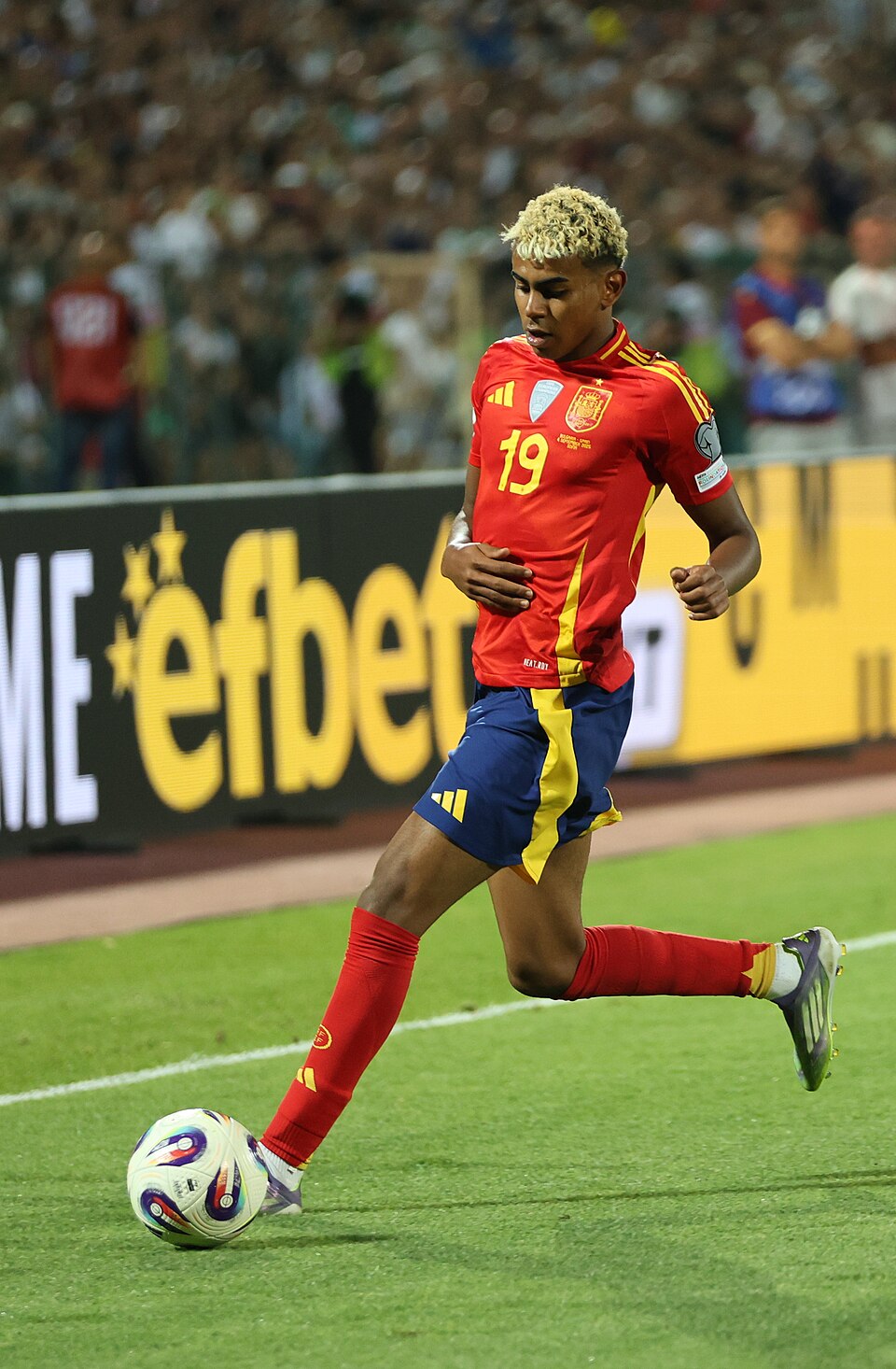
Lamine Yamal – The Phenomenon
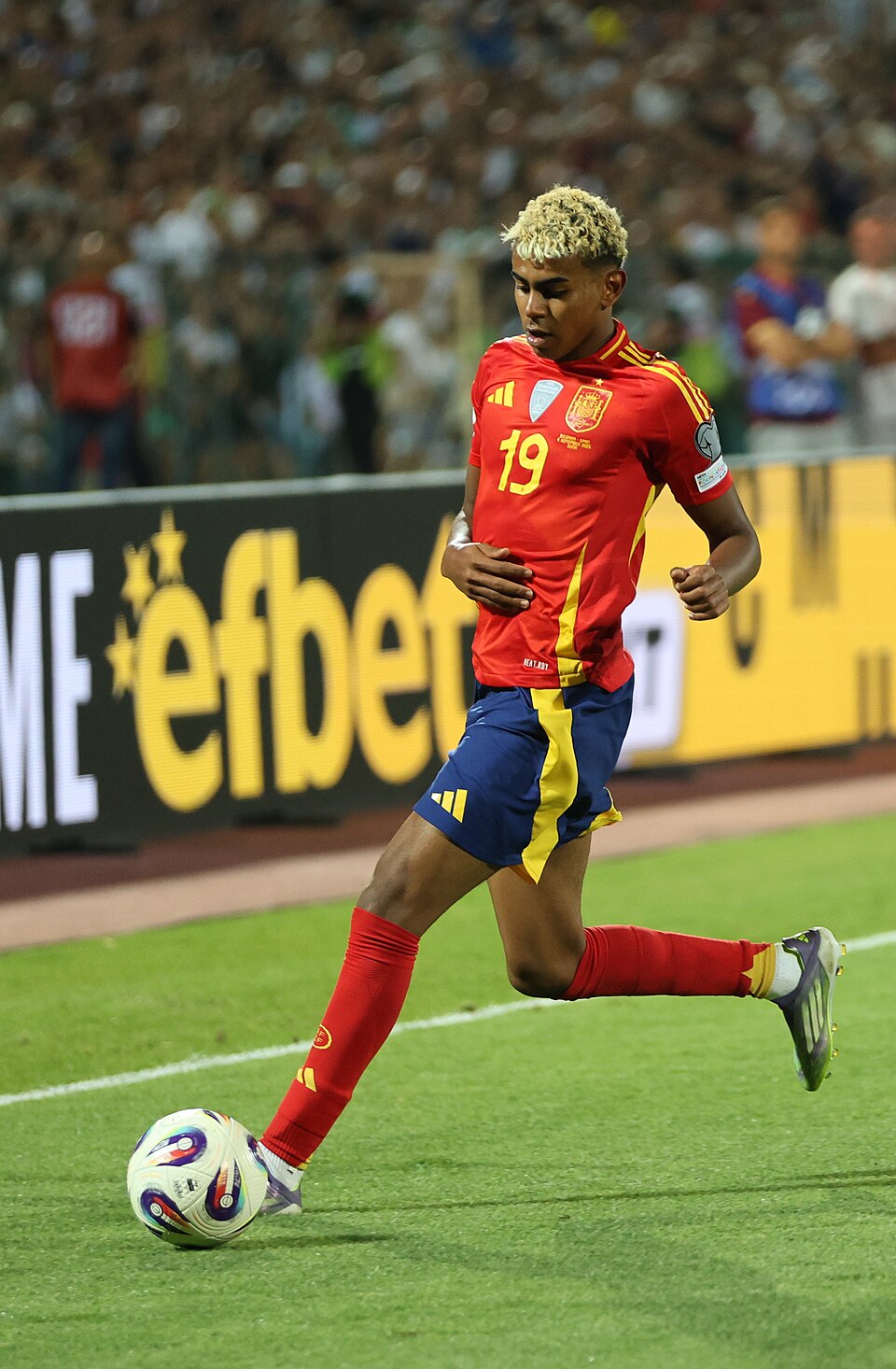
Let’s be blunt: Lamine Yamal might be the most exciting teenager in the history of football. That’s not hyperbole — it’s a statement supported by what he produced at Euro 2024 and what he’s continued to deliver at Barcelona. The goal against France in the semi-finals of that tournament — curling it into the top corner from an impossible angle — was the kind of moment that becomes a career-defining highlight for most players. For Yamal, it was a Tuesday.
Strengths: His dribbling is absurdly good for any age, let alone someone barely old enough to drive. He has elite close control, exceptional vision, and the composure of a ten-year veteran. He plays on the right wing but consistently cuts inside on his left foot to devastating effect. He’s also deceptively strong — defenders who try to bully him physically often come off second best.
Weaknesses: The pressure of being the marquee name at a World Cup is something he hasn’t yet faced at this scale. At Euro 2024, he was the surprise. Now he’s the expected star, and opposition analysts will have studied him relentlessly. He can also be somewhat isolated when Spain’s structure breaks down — he needs space and teammates making runs to truly unlock his best. In a very compact, defensive game, he can be nullified by physical, disciplined marking.
Form heading in: Exceptional. His club form with Barcelona has been the stuff of fantasy football, racking up goals and assists at a pace that has silenced the few remaining doubters. Physically, he looks sharp and hungry. This is his stage.
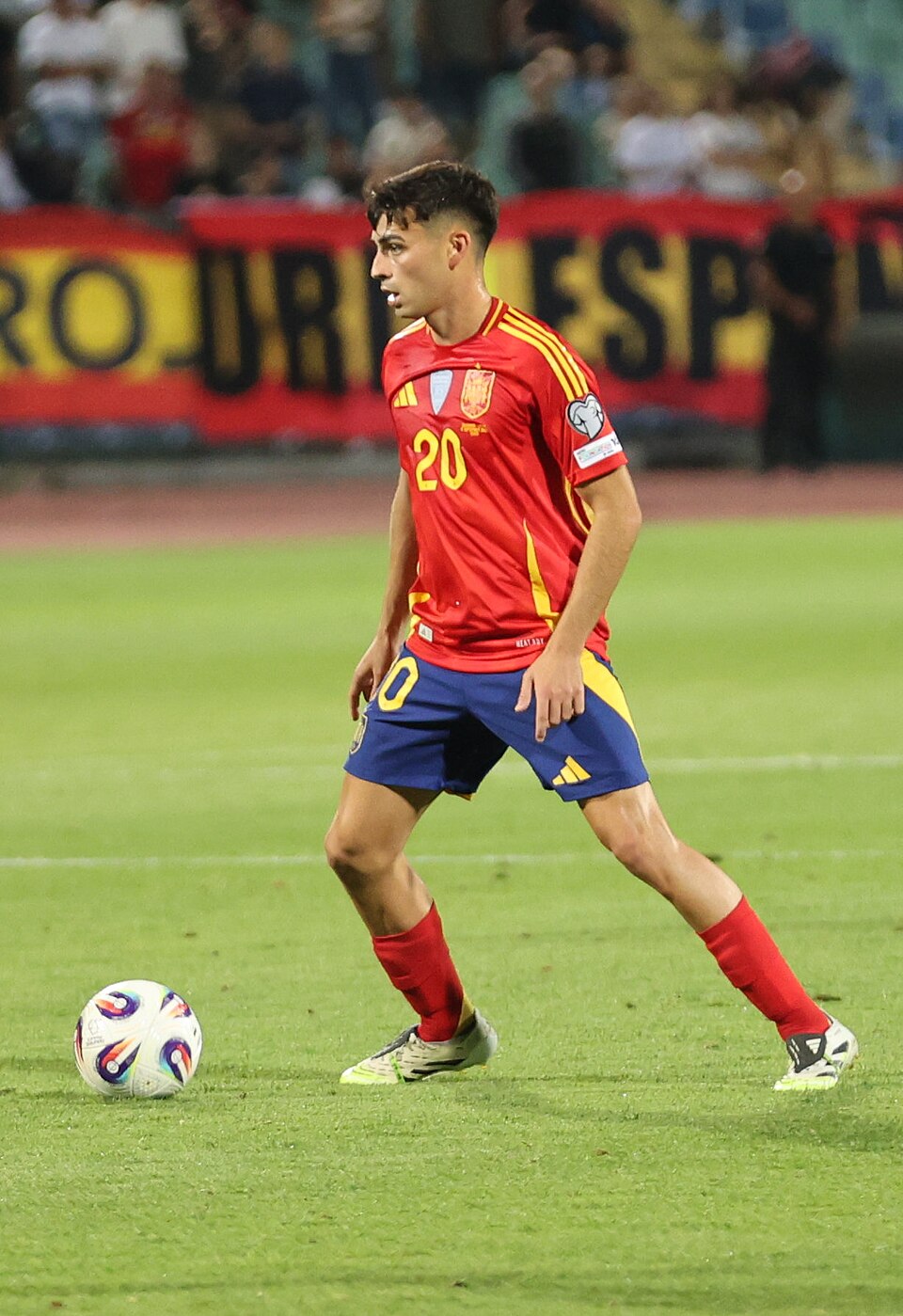
Pedri – The Heartbeat
Ask opposition midfielders what it’s like to play against Pedri and they’ll likely describe a frustrating afternoon chasing shadows. The Barcelona midfielder is the conductor of Spain’s orchestra — the player who dictates tempo, releases the press with one surgical pass, and finds the pocket of space that shouldn’t exist but somehow always does when he’s on the ball.
Strengths: His football intelligence is off the charts. He reads the game two or three moves ahead, which means his decision-making is almost always correct even under intense pressure. He’s technically flawless — first touch, weight of pass, body positioning — and covers remarkable ground without appearing to break sweat. He’s also emerged as a leader within this group, a player teammates look to when the going gets tough.
Weaknesses: The elephant in the room is injuries. Pedri’s career has been plagued by muscular problems that have robbed him of significant chunks of time. If he arrives at the World Cup carrying even a minor knock, Spain’s midfield loses a dimension that no one else in the squad can fully replicate. He’s also not the most combative player — against extremely physical midfields, he can be roughed out of games if the referee allows it.
Form heading in: When fit, world-class. The concern is always fitness. If De la Fuente has Pedri for the full tournament, Spain have a genuine edge. If he picks up a muscle problem in the group stage, the tactical picture changes dramatically.
Rodri – The Foundation
Ballon d’Or winner. Arguably the best defensive midfielder on the planet. Rodri is the reason Spain’s possession game doesn’t just look pretty — it works. He sits in front of the back four and acts as a sweeper-playmaker, breaking up opposition attacks before they develop and recycling possession with metronomic efficiency.
Strengths: His positioning is supernatural. He seems to know where the ball is going before it gets there, which means he intercepts rather than tackles — a sign of true elite intelligence. His passing range is immense; he can play the simple five-yard pass or switch the play with a 40-yard diagonal to Yamal in the same move. He also carries the ball forward with confidence when the situation demands it.
Weaknesses: He’s not the quickest, and a genuine pace threat in transition can occasionally expose the space behind him. His absence from Manchester City due to injury showed just how reliant a team can become on one player — and Spain face the same risk. There are also question marks about how he handles the physical wear of a seven-game tournament in North American summer heat.
Form heading in: Strong. His recovery from injury has been managed carefully, and he arrives at the tournament in solid shape. The early signs from warm-up games suggest he’s hit his stride at the right time.
Strengths vs Weaknesses: The Honest Assessment
What Spain Do Better Than Almost Anyone
- Midfield domination: Rodri, Pedri and Fabián Ruiz (when fit) form one of the best midfield trios at the tournament. Full stop.
- Technical quality throughout the squad: Spain’s depth is remarkable. Their squad players would start for most other nations.
- Winning ugly when needed: Unlike the Tiki-Taka era, this Spain can grind out results. They proved it multiple times at Euro 2024.
- Generational talent: Having arguably the best teenage player in the world in your starting XI is rather handy.
Where Spain Are Vulnerable
- Penalty shootouts: It’s almost a punchline at this point, but Spain’s penalty record in major tournaments is genuinely alarming. They’ve lost crucial shootouts at multiple World Cups and Euros. Until proven otherwise, this remains a live concern.
- Striker situation: Spain often look brilliant until they need a clinical No.9 to put the game to bed. The false nine system is elegant but occasionally toothless against packed defences.
- Injury dependency: If Rodri or Pedri go down, the tactical structure takes a significant hit. There’s no like-for-like replacement for either.
- High-block resistance: Teams that sit deep, compact their lines and hit on the counter have historically troubled Spain. Africa’s representatives and Asian sides often adopt this approach.
Group A Outlook and Round of 16 Chances
Spain’s Group A assignment is, frankly, winnable. Without detailing every opponent, the reality is that De la Fuente’s side should have enough quality to progress comfortably from the group stage — barring a catastrophic injury crisis or a nightmare tactical collapse.
The Round of 16 is where things get genuinely interesting. The variables that will determine how far Spain go are largely internal:
- Pedri’s fitness — if he plays all seven games, Spain’s ceiling rises dramatically.
- Yamal’s consistency — can he perform at this level for a month straight against increasingly sophisticated opposition analysis?
- De la Fuente’s adaptability — his ability to switch systems mid-tournament was evident at Euro 2024. He’ll need it again.
- The penalty curse — if Spain reach a knockout shootout before the final, history suggests this is where dreams die.
The realistic ceiling for this squad? The final. The realistic floor? Quarter-finals. Anything short of the semi-finals would represent genuine disappointment given the talent available.
Final Verdict: Spain Are the Real Deal
Strip away the tournament hype, the press conference platitudes and the obligatory pundits hedging their bets, and what you’re left with is this: Spain go into the 2026 World Cup as genuine favourites, probably second only to whoever you think is the best team in the world at this precise moment. They have elite technical quality, a proven tournament manager, the best teenager on the planet, and the Ballon d’Or winner holding everything together from deep.
The questions are real — penalties, striker depth, injury risk — but they’re the kind of questions that every title contender faces. They don’t disqualify Spain from the conversation. They just make the tournament interesting.
Sixteen years on from that South Africa triumph, La Roja have a squad worth believing in again. Whether they can convert that belief into silverware on North American soil is the question that will define De la Fuente’s legacy and perhaps launch Yamal’s into the stratosphere.
Football doesn’t do fairytales. But sometimes, it does the next best thing.